


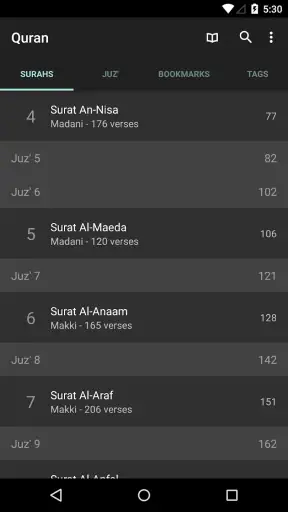
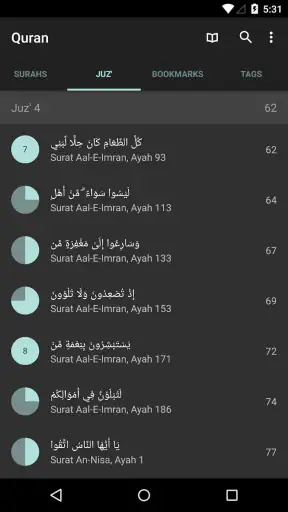
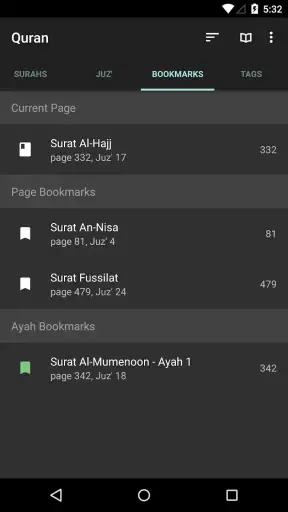
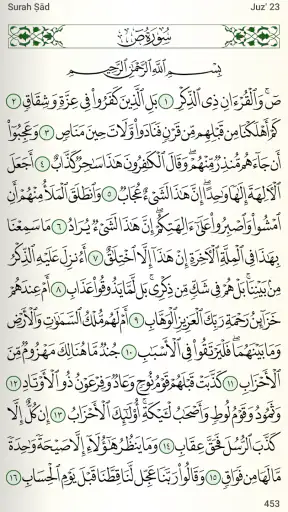
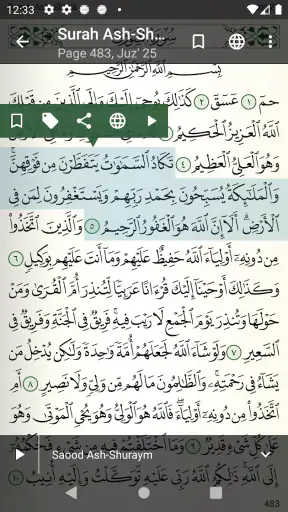
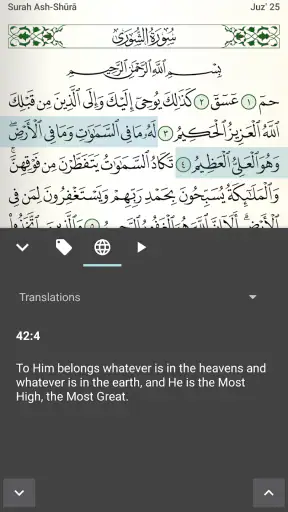
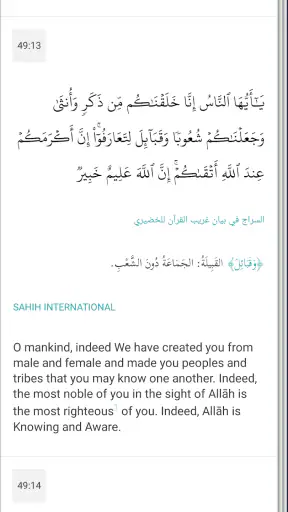
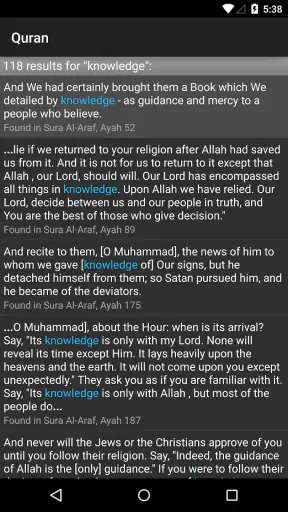
I found Quran for Android easy to approach because it focuses on one clear purpose: giving me a readable Quran experience on a phone. It is a free Books & Reference app from quran.com, rated for Everyone, and its large user base makes it one of the more established choices for people who want Quran access in a mobile format. The store rating sits at 4.8 from around 619 thousand ratings, which matches my impression that the app is designed for regular, uncomplicated reading rather than a crowded collection of unrelated tools.
What matters most here is not a flashy interface. It is whether the app fits naturally into quiet moments, travel, study, or a daily reading habit. In my experience, the answer is yes for readers who want a dedicated Quran application rather than a general religious-content platform. At the same time, the quality of the experience depends partly on when and where I use it, especially when connectivity becomes unreliable.
How the app feels during ordinary reading
The first thing I appreciate is the sense of focus. Many mobile alternatives place the Quran beside articles, videos, community posts, reminders, or broad educational libraries. Those services can be useful, but they also create more visual and mental noise. This app feels more appropriate when my intention is simply to open the Quran and read without being pulled toward another kind of content.
That simplicity makes it suitable for short sessions. I can imagine using it while waiting for an appointment, during a commute, or at home after setting aside a few minutes. A phone is not always the ideal reading device, but it is usually nearby, and that availability can make a difference when a physical copy is not within reach. I would especially recommend it to someone trying to build consistency rather than someone looking for a complete study suite.
The developer, quran.com, gives the app a clear identity instead of presenting it as a generic ebook reader. It has been available since August 10, 2010, and its reach has grown to over 50 million installs. Those figures do not guarantee that every reader will like the interface, but they do suggest that this is a mature and familiar option rather than a short-lived experiment.
When a connection changes the experience
Connectivity matters most at the moments when I expect my phone to behave instantly. At home on a stable network, opening a reading app feels straightforward. On a train, in a basement, in a crowded venue, or in a place with weak mobile service, the experience can feel less predictable if the content or a particular action needs network access. I would not plan an important reading session around assumptions about offline availability; instead, I would test the exact passages and functions I need before leaving a reliable connection.
This is a useful distinction between “an app on my phone” and “a book already in my hand.” A physical Quran does not care whether the signal drops. A digital Quran can be more convenient, searchable, and easier to carry, but the phone environment introduces network, battery, notifications, and storage considerations. For me, the app is strongest when I treat it as a practical mobile reading tool, not automatically as a complete replacement for every offline situation.
If I were preparing for a flight, a long rural journey, or a place where I know service will be inconsistent, I would open the app beforehand and check what remains usable after disconnecting. That small test is more valuable than assuming that every part of the experience will work the same way without a connection. It also helps avoid discovering a limitation at the exact moment I want to read.
Useful mobile situations beyond casual browsing
One realistic routine would be reading a small section during a lunch break. I could connect at home, open the app, and use the same phone later when I have a quiet moment outside. The advantage is not that the phone becomes a perfect reading surface; it is that the Quran is available alongside the device I already carry. For someone who struggles to maintain a physical reading routine, that convenience may be the deciding factor.
Another good use is keeping the app available for reference during a conversation or study session. Instead of carrying a separate volume, I can consult the text quickly and then return to the discussion. This is where a dedicated Quran app has an advantage over a general browser search: the experience begins with the text itself, rather than search results, advertisements, or unrelated pages.
There is also a privacy benefit in choosing a focused reading app over public browsing. Reading on a phone can still be distracting, but I do not need to expose a search query or navigate through a chain of websites to reach the material. That makes the app feel more respectful of the moment, particularly when I am reading in a public place and want a quiet, personal experience.
Still, a small screen is not comfortable for everyone. Long sessions can feel cramped, and people who prefer large print, a physical page, or a tablet may find the phone format tiring. I would choose this app for portability and access, not because it replaces the comfort of a well-designed printed edition for extended study.
What happens when the network fails
The most sensible way to handle a connection failure is to separate essential reading from optional online behavior. Before entering a weak-signal area, I would open the app, confirm that the section I want is available, and avoid closing the session unnecessarily. If something does not load, I would first check whether the issue is temporary rather than repeatedly tapping the same control. Reconnecting to a stable network is often the simplest recovery step.
That approach also protects the reading experience from frustration. A failed request can make an app appear broken when the real problem is the surrounding network. I prefer to keep a backup plan for important occasions: a physical copy, another trusted reading method, or a previously prepared device. This is not a criticism unique to this application; it is the practical trade-off of keeping sacred text on a connected general-purpose phone.
Notifications are another kind of interruption. Even with a good connection, messages and calls can break concentration. For a longer session, I would use the phone’s quiet or do-not-disturb setting and lower distractions before opening the app. That simple habit improves the experience more than constantly adjusting the reading application itself.
Recovery is also easier when I avoid treating every feature as equally essential. If I only need to read, I can focus on getting the text open. If I am trying to use a more advanced function, I would make sure the network is stable first. This way, a temporary failure does not turn into a reason to abandon the entire session.
Using it without wasting mobile data
Because the app is free, the main practical cost is not a purchase price. It is the phone environment around it: mobile data, battery, screen time, and attention. I would use a home or trusted Wi-Fi connection for initial setup and any content that may require loading. That is especially sensible for readers with a limited monthly data allowance.
I would also avoid opening the app repeatedly in poor coverage. When the signal is weak, the phone may spend more time trying to connect while I am waiting for the reading experience to settle. Waiting for a reliable connection before preparing a session is more efficient than fighting the network from a moving vehicle or crowded public location.
Battery use is easy to overlook during reading. A bright screen, long session, and weak signal can combine to drain a phone faster than expected. I prefer a moderate brightness level and a charged device when I know I will be away from a charger. These are ordinary phone habits, but they matter because the app’s usefulness depends on the device remaining available.
For readers who are careful about data, the best workflow is deliberate: prepare while connected, confirm what is accessible, then read without repeatedly refreshing. I would not assume that changing a phone’s data settings will produce the same result for every part of the app, so I would test my own routine rather than rely on a general promise of low-data use.
Where it stands beside familiar alternatives
Compared with a printed Quran, the app wins on portability and immediate access but loses on independence from battery, signal, and notifications. A printed copy also offers a more settled reading posture for many people. If I am at home and planning a long, focused session, I may still prefer paper. If I am outside or traveling light, the phone is more practical.
Compared with reading through a mobile browser, this dedicated app feels more intentional. A browser can reach many translations, commentaries, and reference pages, but it also brings tabs, search clutter, and inconsistent page layouts. I would choose the browser when I need broad research across sources. I would choose this app when the Quran itself is the center of the session.
Compared with larger religious apps, its focused identity is both a strength and a limitation. A wider platform may be better for someone who wants lessons, audio material, prayer tools, community content, or several kinds of reference in one place. I would not install this expecting an all-in-one religious dashboard. Its appeal is precisely that it keeps the main reading purpose visible.
The age rating of Everyone also makes it a straightforward option for households where a broadly accessible reading app is preferred. That does not mean every family will share the same expectations about presentation or study tools, but it does make the app easier to consider for general personal use.
Small habits that make the experience better
Before traveling, open the passages I expect to read while connected and verify my own offline routine instead of assuming every function will remain available.
For a longer session, enable a quiet phone mode so incoming messages do not interrupt concentration.
Use a stable Wi-Fi connection for preparation when mobile data is limited, then avoid repeated refreshes in weak coverage.
Keep a physical or otherwise trusted backup for journeys where reading is important and connectivity cannot be relied on.
Choose the app for focused Quran reading, but use a broader reference source when the goal is comparative research or extensive commentary.
These habits reveal the main trade-off clearly. The application can make reading more available, but the phone is still a phone. Its signal, battery, screen, and interruptions remain part of the experience. I get the best results when I plan around those realities instead of expecting the app to remove them.
Who should choose it, and who may prefer something else
I would recommend it to someone who wants a free, dedicated Quran reader that is easy to keep on an Android phone. It suits daily readers, travelers who value portability, newcomers looking for a direct starting point, and anyone who prefers a focused text experience over a busy religious-content platform. The strong 4.8 average and broad adoption reinforce my view that it is worth trying before searching through more complicated alternatives.
I would be more cautious about recommending it as the only tool for advanced study. If your priority is extensive commentary, academic comparison, specialized typography, classroom annotation, or a complete collection of religious utilities, another app or a combination of resources may serve you better. The same applies if you dislike reading on a small screen or need guaranteed access in places without a dependable connection.
It is also not the right choice for someone who wants the phone to provide a full spiritual routine around the text. Its value comes from concentration, not from trying to cover every possible need. That narrow purpose is refreshing, but it means I would assess it as a Quran reading app first and avoid expecting features that belong to a different category of product.
My connectivity verdict
After considering how it behaves in real mobile situations, I see Quran for Android as a dependable starting point for focused Quran reading, provided I plan sensibly around connectivity. Its free price removes a major barrier, its Everyone rating makes it broadly approachable, and quran.com has maintained a recognizable presence since 2010. The app’s greatest strength is the directness of the experience: I can carry a dedicated Quran reader without turning every session into a web search.
My main reservation is not about the purpose of the app but about the conditions of phone use. Weak service, limited data, low battery, and notifications can all reduce the calm that reading requires. I would prepare important sessions while connected, test my own access before going offline, and keep a backup when the situation demands certainty.
For everyday reading, that is a reasonable compromise. I would install it for its focus and convenience, recommend it to a friend who wants a straightforward mobile Quran, and pair it with a printed copy or broader reference tool when the situation calls for something more independent or more scholarly. The best reason to use it is simple: it makes regular reading easier without pretending that a phone is the same as a book.


